
Sweet vs. Savory Biscuits: How to Adapt Any Recipe
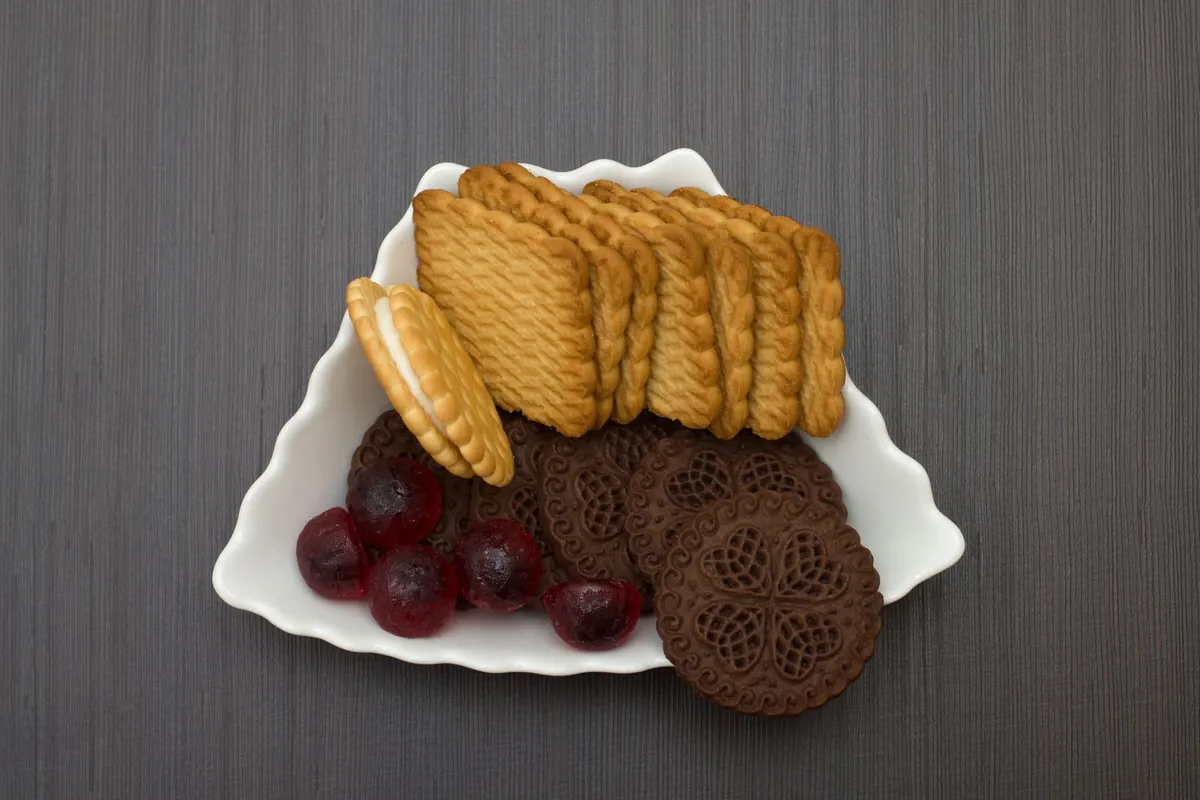
A plain buttermilk biscuit is a template. Swap the sugar for sharp cheddar and chives and you have something to serve with soup. Keep the sugar, add lemon zest and berries, and the same dough becomes shortcake. The trick isn't memorizing two recipes; it's knowing which parts of the formula carry flavor and which parts hold the structure. Once that's clear, you can move a biscuit in either direction without guessing.
The Base Recipe Is a Skeleton, Not a Rule
Nearly every biscuit variation grows from the same handful of ingredients. Learn the ratio and the rest is adjustment.
- 2 cups all-purpose flour — structure
- 1 tablespoon baking powder — lift
- 1/2 teaspoon fine salt — the backbone of flavor
- 6 tablespoons cold butter — tenderness and flaky layers
- 3/4 cup cold buttermilk — hydration and tang
- 1 tablespoon sugar — optional, and the first thing to change
Each ingredient has a job. Flour and liquid build structure. Fat coats flour proteins so gluten develops slowly, which is what makes a biscuit tender rather than chewy. Baking powder supplies the rise, and salt keeps the whole thing from tasting flat. Sugar is the wild card: it tenderizes, holds moisture, and browns the crust, which is why a sweet biscuit behaves differently in the oven than a savory one even when nothing else changes.
Sweet Biscuits: Sugar Changes the Dough, Not Just the Flavor
One tablespoon of sugar gives you a biscuit that sits comfortably beside a savory meal — it's there for browning more than sweetness. Two to three tablespoons pushes it into dessert territory, the kind you split for shortcake. Past that, the dough starts to fight back: it spreads, browns quickly, and turns cakier as sugar competes with gluten for water.
If you want a genuinely sweet biscuit that still holds its shape, keep the sugar moderate and add sweetness at the finish. A glaze, a drizzle of honey, or a spoonful of macerated berries does more than a quarter cup of sugar in the dough ever will.
Liquid sweeteners
Honey, maple syrup, and molasses all count as liquid. Swap one tablespoon of buttermilk out for every tablespoon of syrup you add, or the dough turns slack. Brown sugar is the middle ground — it brings molasses flavor and extra moisture, so pull the buttermilk back by a teaspoon or two. It also darkens the crumb, which suits apple or spice biscuits and looks odd in a lemon one.
Sweet add-ins
Berries, chopped fruit, and chocolate each release or absorb moisture differently. Frozen berries go in still frozen and tossed in a spoonful of flour so they don't bleed. Grated apple and mashed banana carry so much water that you should start with two-thirds of the buttermilk and add more only if the dough looks dry. Zest, cinnamon, cardamom, and vanilla extract are effectively free — they add flavor without touching hydration.
Savory Biscuits: Build Depth, Then Dial Back the Salt
Savory biscuits are simpler in one way: you can drop the sugar entirely. Keep a teaspoon if you want a browner top, but it isn't doing structural work. What matters more is salt management, because cheese, bacon, olives, and cured meat all arrive pre-salted.
As a rule, cut the added salt to a quarter teaspoon if you're folding in three-quarters of a cup of a salty cheese or any cured meat. You can always finish a baked biscuit with flaky salt, but you can't take salt back out.
Cheese, herbs, and spices
Use half a cup to three-quarters of a cup of shredded cheese per two cups of flour. Hard cheeses like parmesan should be grated fine; big shreds tear the dough as you fold. Sharp cheddar, gruyère, feta, and blue all work, though feta and blue are salty enough that you'll want to check the dough before baking — cook a spoonful in a skillet until set, then taste it.
Herbs run about one tablespoon fresh chopped or one teaspoon dried per two cups of flour. Dried herbs need a quick rub between your palms to release their oils; otherwise they sit in the dough like dust. Spices are stronger than you expect in a lean dough: half a teaspoon of black pepper, a teaspoon of smoked paprika, or a pinch of cayenne is plenty.
Savory add-ins interrupt gluten and soak up liquid, so plan on a splash more buttermilk. The dough should look shaggy and slightly damp, never dry.
Conversion Rules That Save a Batch
Moving a recipe from sweet to savory, or the reverse, comes down to a few adjustments.
- Match the sugar to the job. One tablespoon for a hint and better browning, two to three for a sweet biscuit, none for savory.
- Adjust liquid for every add-in. Berries, grated fruit, cheese, and cooked vegetables all change hydration. Hold back two tablespoons of buttermilk and add it only if the dough needs it.
- Recheck the salt. Salty add-ins mean less salt in the dough itself.
- Lower the heat if the tops are browning fast. Sugar and cheese both darken quickly. Drop the oven 25°F or tent the pan with foil if the tops color before the centers set.
- Keep the fat cold and the handling light. Fold the dough three or four times, no more. Overworking is the most common reason a good flavor idea turns out tough.
- Finish after baking. Butter, glazes, and toppings applied to hot biscuits stick and taste fresh. Most of them burn if they go in the oven.
Pairings Worth Stealing
Once the mechanics are clear, flavor combinations are the fun part. These all work with the base recipe above.
- Sweet: lemon zest and blueberries; cinnamon with chopped apple; brown sugar and toasted pecans; chocolate chunks with orange zest; cardamom and sliced peach.
- Savory: sharp cheddar and chives; parmesan, rosemary, and cracked pepper; bacon and scallion with a light brush of maple butter; jalapeño, corn, and cotija; roasted garlic and thyme.
A few combinations sit in the middle and are worth trying: maple and black pepper, honey and thyme, fig and blue cheese. They work because they keep one foot in each camp.
Finishes Do a Lot of the Work
You can change a biscuit's identity without touching the dough.
Sweet finishes
- Powdered sugar glaze: one cup powdered sugar, two tablespoons milk, a splash of vanilla, thick enough to coat the back of a spoon.
- Cinnamon sugar butter brushed on while the biscuits are still hot.
- Turbinado sugar scattered over the tops before baking for crunch.
Savory finishes
- Garlic-herb butter brushed on straight from the oven.
- Everything bagel seasoning or flaky salt on an egg-washed top.
- Fin
Photo: lord_ photon / Pexels